Source Carved Crystal Image Bracelet for Gifts, Decor, and Health
Compare 30 listings for the carved crystal image bracelet, featuring materials like jade and crystal in various sizes. These pieces serve as formal gifts, informal decorations, and health accessories, with customization options available for bulk orders; compare the available evidence and request quotations based on your requirements.
Key considerations
Products List








Comprehensive Sourcing Guide
Carved Crystal Image Bracelet Sourcing Guide
Buyers evaluating carved crystal image bracelets must first distinguish between products designed for formal gifting versus those intended for casual daily wear. The observed market data indicates a clear segmentation where specific listings target formal occasions with natural styles, while others are positioned for informal settings with star fashion aesthetics. This distinction is critical because the intended usage directly influences the required stone quality, bead size consistency, and the overall finish of the carving. Procurement teams should align their initial search filters with the specific occasion to avoid receiving samples that do not match the brand's positioning or target demographic.
A second vital decision involves selecting the appropriate customization level based on the supplier's stated capabilities. The available data confirms that customization is generally available, with many suppliers offering packing solutions tailored to specific customer requests. However, buyers must verify if the customization extends to the carving itself or is limited to packaging and bead arrangement. Understanding the scope of OEM and ODM acceptance is essential before placing an order, as some suppliers may only offer standard models like the ESB012156, while others might accommodate unique design requests for specific stone combinations or sizes.
Product Scope and Observed Listing Signals
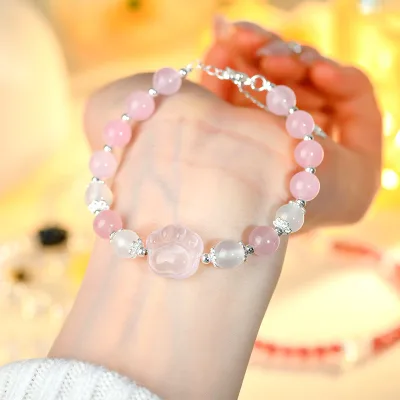
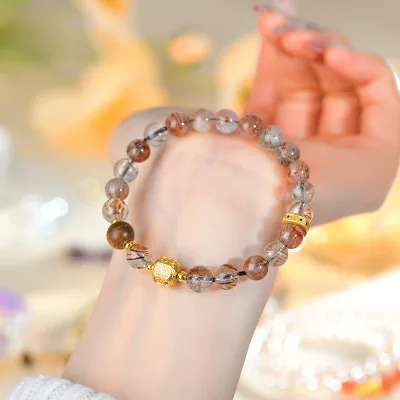
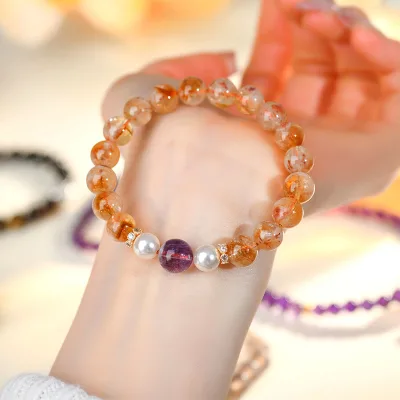
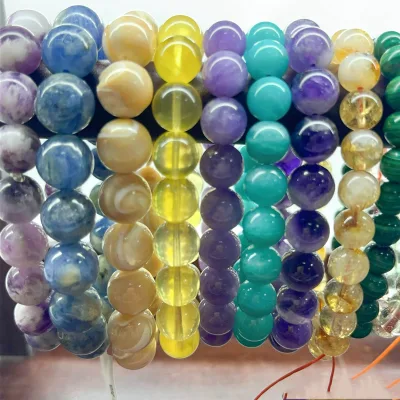
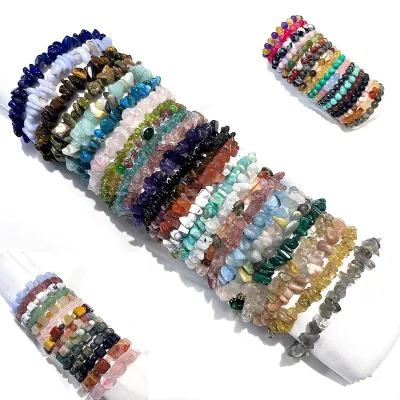
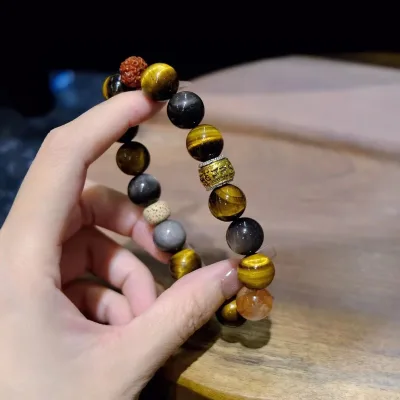
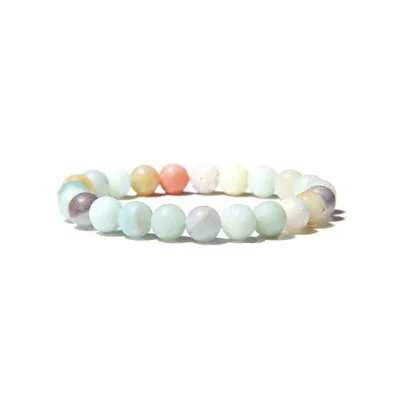
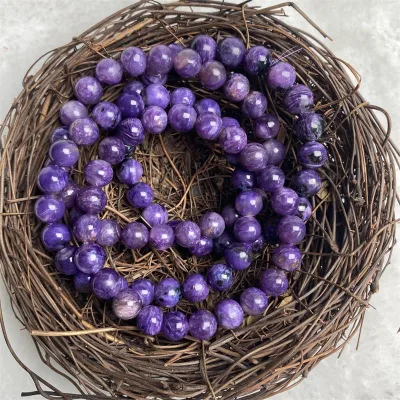
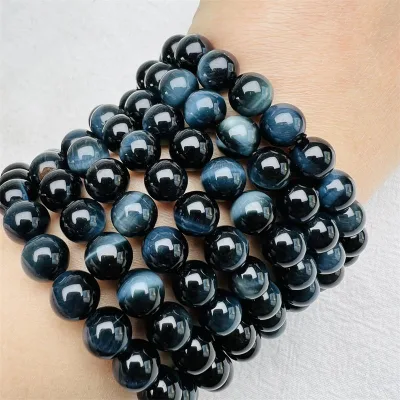
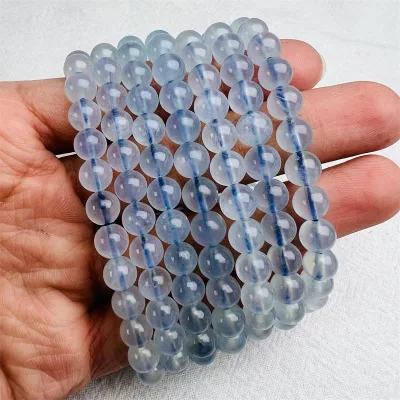
The product scope for carved crystal image bracelets encompasses a wide variety of materials, ranging from natural jade to various crystal types such as tiger eye, rose quartz, and amethyst. Listings frequently highlight multicolour options alongside specific single-color variants like green or yellow tower designs, indicating a diverse inventory that caters to different aesthetic preferences. Buyers should note that the "carved" aspect often appears in conjunction with spacer styles or irregular shapes, suggesting that the visual appeal relies heavily on the natural texture and the specific arrangement of the beads rather than uniform geometric precision.
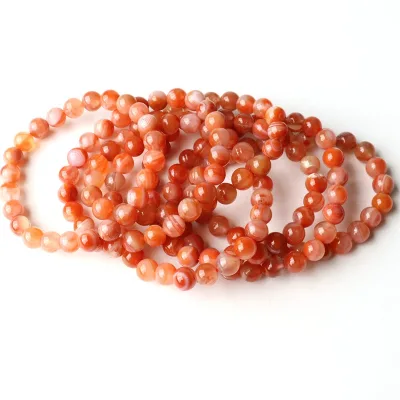
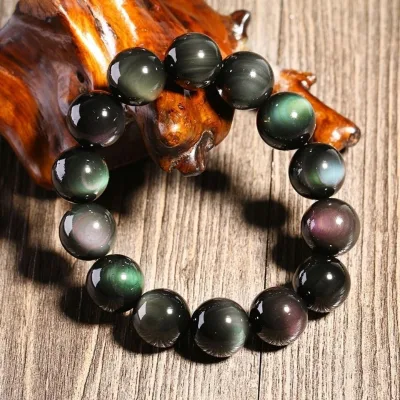
Observation of listing signals reveals significant variation in bead sizes, with common specifications including 6mm, 8mm, 9mm, and 10mm diameters. This variance impacts the final look and feel of the bracelet, as smaller beads create a more delicate appearance suitable for formal occasions, while larger beads offer a bolder statement for informal wear. Procurement teams must carefully cross-reference the listed stone color and style with the actual product images, as terms like "crystal authentic wholesale bulk" may describe the material category rather than a specific finished design, requiring close inspection to ensure the carved details meet the buyer's quality expectations.
Technical Specifications to Verify
Verification of physical dimensions is the primary technical requirement, as the observed data shows lengths ranging from 7 inches to specific bead counts that affect fit. Buyers must confirm whether the listed length of 7 inches is adjustable or fixed, and whether the bead size of 6mm or 10mm is consistent throughout the entire strand. Inconsistent sizing can lead to gaps in the design or an uneven drape, which is particularly problematic for bracelets intended as gifts where presentation is paramount. Ensuring that the size specifications match the intended wrist circumference is a non-negotiable step before finalizing any bulk order.
Material composition and stone authenticity require rigorous verification to prevent discrepancies between the description and the delivered goods. While listings mention materials like jade and crystal, the specific stone colors such as tiger eye or amethyst must be confirmed against physical samples. Buyers should request detailed specifications regarding the stone style, particularly if the design relies on spacer beads to create a specific visual rhythm. Additionally, the weight of the bracelet, observed at approximately 20g in some listings, serves as a key indicator of material density and should be verified to ensure it aligns with the perceived value and comfort of the final product.
Compliance and Safety Documentation
Safety compliance is a critical factor when sourcing jewelry intended for direct skin contact, particularly for products marketed as gifts or health accessories. The available data explicitly mentions that some suppliers provide testing confirming the products are nickel and lead-free, which is a fundamental requirement for international markets. Buyers must insist on seeing the actual test reports from recognized laboratories rather than relying on general statements, as the presence of heavy metals can lead to regulatory violations and consumer health risks. Verifying these safety claims is essential to maintain brand integrity and avoid potential legal liabilities associated with non-compliant jewelry.
Beyond material safety, certification status provides a layer of assurance regarding the supplier's ethical and operational standards. The observed listings reference certifications such as BSCI, SGS, BV, and Intertek, which indicate that the supplier has undergone third-party audits for social compliance and quality management. Procurement teams should verify the validity and scope of these certificates to ensure they cover the specific manufacturing facilities producing the carved crystal bracelets. Relying on suppliers with robust certification portfolios reduces the risk of supply chain disruptions and ensures that the production process adheres to internationally recognized standards for labor and environmental practices.
Cost Drivers and Commercial Terms
The cost structure for carved crystal image bracelets is heavily influenced by the complexity of the carving and the rarity of the stones used. Listings show a wide price range from $0.03 to $18, reflecting the difference between mass-produced spacer beads and high-quality, hand-carved pieces. Buyers must understand that lower prices often correlate with standard models and bulk packaging, while higher price points may include custom carving, premium stone selection, or specialized packaging. Analyzing the cost per unit against the desired customization level is crucial for determining the final retail price and profit margin.
Commercial terms, including Minimum Order Quantity (MOQ) and lead times, vary significantly across the supplier base, with observed MOQs ranging from 1 to 100,000 units. This flexibility allows buyers to test the market with small orders or scale up production for large campaigns, but it requires careful negotiation to align with cash flow constraints. Buyers should clarify whether the MOQ applies to a single model or a mix of styles, and confirm if the supplier can accommodate rush orders without compromising quality. Understanding these terms upfront prevents unexpected costs and ensures that the supply chain can meet the projected demand timeline.
Supplier Qualification and Quality Control
Supplier qualification should begin with a thorough review of their customization capabilities and production flexibility. The data indicates that many suppliers accept OEM and ODM requests, allowing for tailored packing solutions and potentially unique design modifications. However, buyers must assess whether the supplier has the technical expertise to execute complex carvings consistently across large batches. A supplier's ability to handle custom requests is a strong indicator of their operational maturity, but it must be balanced against their track record for maintaining quality standards during the customization process.
Quality control protocols must be established to ensure that the final product matches the approved samples in terms of stone color, bead size, and carving detail. Buyers should implement a clear inspection plan that includes pre-production sample approval and random sampling during mass production. Given the variability in stone colors like green, yellow, or multicolour, visual inspection is essential to catch any inconsistencies in hue or clarity. Establishing a robust quality control framework helps mitigate the risk of receiving substandard goods and ensures that the carved crystal bracelets meet the buyer's expectations for durability and aesthetic appeal.
Long-Term Procurement Checks
Sustaining a successful procurement relationship requires regular performance reviews to ensure the supplier continues to meet quality and delivery standards over time. Buyers should schedule periodic audits to verify that the supplier maintains their certifications and adheres to the agreed-upon safety and compliance standards. This proactive approach helps identify potential issues before they escalate into major supply chain disruptions and ensures that the supplier remains committed to the long-term goals of the partnership. Consistent monitoring is key to maintaining the reliability of the supply chain for carved crystal image bracelets.
Market trends and consumer preferences for jewelry styles evolve rapidly, necessitating a flexible procurement strategy that can adapt to changing demands. Buyers should regularly review the product catalog to identify new stone combinations, sizes, or design trends that align with current market interests. Maintaining open communication with the supplier allows for early identification of new opportunities, such as the introduction of new crystal types or updated carving techniques. By staying agile and responsive to market shifts, buyers can ensure their product offerings remain competitive and relevant in the long term.
FAQs
What materials are used in these carved crystal image bracelets?
The bracelets are crafted from natural crystal and jade materials. They feature irregular shapes and spacer stone styles. Available stone colors include tiger eye, rose quartz, amethyst, and crystal. The design emphasizes a natural style suitable for formal occasions. These materials provide a durable and aesthetically pleasing finish for wholesale buyers seeking quality gemstone accessories.
Can I customize the packaging for my carved crystal image bracelet orders?
Yes, customization is available for packaging requirements. Suppliers can create packing according to your specific request. Standard options include air bubble bag packaging for protection. Each piece may also come in one OPP bag. This flexibility allows you to maintain brand consistency and ensure safe delivery of your carved crystal image bracelets to end customers.
What certifications do the carved crystal image bracelet suppliers hold?
Suppliers hold recognized certifications including BSCI, SGS, BV, and Intertek. These credentials verify compliance with international standards. The products are also tested to be nickel and lead-free. This ensures safety for wearers and meets regulatory requirements for export. Buyers can rely on these documented certifications when sourcing carved crystal image bracelets for global markets.
What are the typical specifications for the carved crystal image bracelets?
Specifications vary by model but commonly include 6mm, 8mm, 9mm, or 10mm bead sizes. The standard length is typically 7 inches. Some models feature irregular shapes or spacer designs. Colors range from multicolour to specific stone hues like green. These precise dimensions help buyers select the right fit and style for their inventory needs.
Where are the carved crystal image bracelets manufactured?
The bracelets are manufactured in China. This origin is consistent across the listed product models. Sourcing from this region offers access to established supply chains for crystal and jade jewelry. Buyers can expect competitive pricing and high production capacity. The location supports efficient logistics for international orders of carved crystal image bracelets.
What is the minimum order quantity for carved crystal image bracelets?
The minimum order quantity ranges from 1 to 100,000 units. This wide range accommodates both small trial orders and large bulk purchases. Buyers can choose quantities that fit their market demand. The flexibility allows for testing new designs or stocking popular styles. This MOQ structure supports diverse business models for carved crystal image bracelet retailers.
Are the carved crystal image bracelets suitable for both men and women?
Yes, the bracelets are suitable for both male and female wearers. The designs include natural styles and star fashion elements. Colors like green and multicolour appeal to various preferences. The usage covers decoration, health, and gift purposes. This versatility makes them a flexible addition to any jewelry collection for carved crystal image bracelet buyers.